
The Irish blues powerhouse delivers a deeply personal collection of heartbreak, survival, and second chances, proving that the most extraordinary music often comes from life’s darkest moments.
Some musicians learn to play the blues. Others have lived through enough pain, heartbreak, and hard-earned wisdom that the blues becomes part of who they are.
Paddy Smith belongs firmly in the second category.
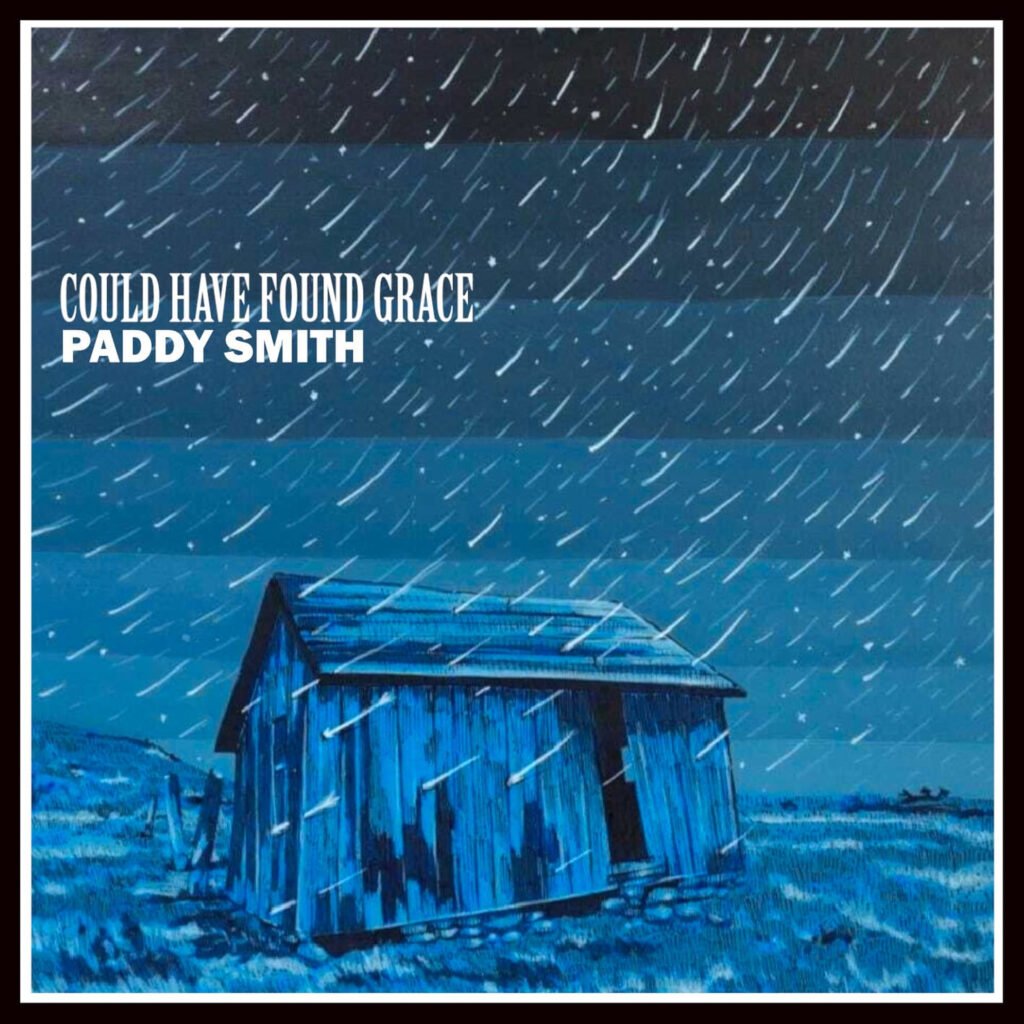
With his powerful album “Could Have Found Grace,” released internationally through Tribeca Records, the acclaimed Irish singer, songwriter, and harmonica virtuoso delivers a collection of songs that cuts straight to the heart of what makes the blues such an enduring musical force.
There are no manufactured emotions here, no carefully constructed personas, and certainly no attempts to chase the latest musical trends. Instead, Smith offers something increasingly rare in contemporary music: an artist willing to expose his scars and turn them into something beautiful.
The result is an album filled with grit, soul, regret, and redemption, carried by a voice that sounds as though it has experienced every word it sings.
And perhaps that is precisely why Paddy Smith deserves to be heard by a much wider audience.
Born in Ireland, Raised on the Blues
Hailing from Navan in County Meath, Ireland, Smith has spent decades developing a musical identity rooted in the traditions of American blues, rock, and soul.
His musical journey has never been about celebrity or commercial shortcuts. It has been about authenticity, perseverance, and an unwavering commitment to the kind of music that speaks to ordinary people facing extraordinary struggles.
There is something wonderfully compelling about an Irish musician carrying the spirit of Chicago blues across the Atlantic and making it entirely his own.
Smith’s distinctive harmonica playing has become one of his musical trademarks. In his hands, the instrument is far more than an accompaniment. It becomes another voice, sometimes mournful, sometimes defiant, and frequently capable of expressing emotions that words simply cannot capture.
His vocals are equally distinctive, possessing the rough-hewn character of a musician who understands that genuine emotion is far more important than polished perfection.
Following his earlier albums Let Those Blues In and The Devil’s Backyard, Smith has continued to refine his musical storytelling, bringing decades of personal experience into his latest collection.
With “Could Have Found Grace,” those experiences take center stage.
Eight Songs, a Lifetime of Stories
The album’s eight tracks explore the complicated territory between human weakness and personal redemption.
Themes of hardship, loneliness, resilience, and hope weave through the material, creating a musical journey that feels both intensely personal and universally relatable.
On “One Dollar Bill,” Smith paints a vivid portrait of desperation and the consequences of difficult choices. The song captures the darker side of existence without romanticizing it, allowing the emotional weight of the storytelling to speak for itself.
“Ain’t Got Nobody” explores loneliness through a blues arrangement that demonstrates how even sorrow can possess an irresistible musical rhythm.
“Still Standing Tall” offers a different perspective, emphasizing the determination required to survive life’s disappointments and continue moving forward.
But the emotional centerpiece is the title track, “Could Have Found Grace.”
The song confronts regret, missed opportunities, and the haunting realization that life might have unfolded differently if certain choices had been made.
There is an extraordinary humanity in that sentiment.
Almost everyone has experienced moments they wish they could revisit, relationships they wish they could repair, or opportunities they wish they had recognized before they disappeared.
Smith transforms those familiar feelings into music that is deeply reflective without becoming sentimental.
It is not simply a song about looking backward. It is about understanding the past while still searching for peace in the present.
That emotional honesty gives the recording its lasting impact.
A Remarkable Band Behind an Extraordinary Voice
Although Paddy Smith is unquestionably the emotional driving force behind the album, “Could Have Found Grace” also benefits from an exceptional collection of musicians.
Recorded at Hellfire Studios in Dublin under the production of Ivan Jackman, the project brings together players whose collective experience spans some of the most respected names in international music.
Aongus Ralston, associated with The Waterboys, provides bass, while Jason Duffy, whose credits include The Corrs, delivers the drums.
Keyboardist James Delaney brings experience working with artists including Van Morrison, Rory Gallagher, and Chuck Berry.
Guitarist Danny Tobin, of The Business Blues Band, plays a particularly important role in the album’s creation.
Smith and Tobin developed the material through an intense three-day collaboration, working through songs with a spontaneity that allowed the music to develop naturally.
That creative partnership forms the foundation of the album’s unmistakably organic character.
Rather than overwhelming the listener with excessive production, the musicians create space for Smith’s storytelling, vocals, and harmonica to breathe.
The performances possess the musical confidence of seasoned professionals who understand that sometimes the most powerful note is the one you choose not to play.
The result is a sound that feels immediate, intimate, and refreshingly alive.

The Blues Doesn’t Recognize Borders
One of the most fascinating aspects of Paddy Smith’s music is its ability to connect two seemingly different musical cultures.
Although his roots are unmistakably Irish, his artistic influences belong to the great blues tradition that emerged from America’s Deep South and later flourished in cities such as Chicago.
That connection gives his recordings a distinctive international character.
Ireland has long produced extraordinary musicians capable of embracing American blues and rock while maintaining their own identity. Rory Gallagher and Van Morrison are among the most celebrated examples of artists who helped establish that connection.
Smith carries that tradition forward in his own uncompromising style.
He isn’t interested in recreating the past as a museum piece. He takes the emotional foundations of classic blues and applies them to contemporary experiences, personal struggles, and the complicated realities of modern life.
The result is music that respects its heritage without being imprisoned by it.
His partnership with Tribeca Records also represents an opportunity to introduce his work to a broader international audience, particularly American listeners who appreciate blues performed with conviction rather than commercial calculation.
And Smith has plenty of conviction.
Finding Strength in the Hardest Moments
What ultimately distinguishes “Could Have Found Grace” from so many contemporary blues recordings is its willingness to confront uncomfortable truths.
Smith’s music has been shaped by personal struggles, including addiction and recovery, experiences that have contributed to the emotional authenticity of his songwriting.
He doesn’t attempt to disguise those difficult chapters.
Instead, he uses them as the foundation for stories about survival, regret, accountability, and the possibility of starting again.
That perspective transforms the album into something far more meaningful than a collection of well-performed blues songs.
It becomes a reflection on what it means to be human.
There is anger in the music, but there is also tenderness. There is sorrow, but there is also humor and defiance. There are reminders of past mistakes, but never the suggestion that those mistakes must define the future.
Smith understands something that the greatest blues performers have always known: the blues is not simply about suffering.
It is about surviving suffering.
And sometimes, the act of telling your story is itself a form of redemption.
Paddy Smith Is the Real Deal
In a music industry increasingly dominated by algorithms, manufactured personalities, and disposable trends, Paddy Smith represents something wonderfully old-fashioned.
He is a musician who believes that songs should mean something.
His voice carries character. His harmonica carries emotion. His lyrics tell stories that could only come from someone willing to examine life without looking away from its darker corners.
“Could Have Found Grace” is a compelling reminder that great blues music doesn’t require expensive gimmicks or elaborate production.
It requires musicianship, experience, and the courage to tell the truth.
With a remarkable band behind him and Tribeca Records helping bring his work to international audiences, Smith has created an album that deserves attention well beyond Ireland’s blues community.
For longtime blues enthusiasts, it offers the authenticity and musical craftsmanship that have always defined the genre at its best.
For newer listeners, it provides an opportunity to discover an artist whose music carries the weight of a life genuinely lived.
And for anyone who has ever struggled, stumbled, regretted, or somehow found the strength to begin again, these songs may feel unexpectedly personal.

Paddy Smith may have called his album “Could Have Found Grace,” but after listening to his music, one thing becomes increasingly clear.
Sometimes grace isn’t something you find. It’s something you earn by surviving long enough to tell your story.
“Could Have Found Grace” by Paddy Smith is available worldwide through Tribeca Records.
Listen to the album: https://found.ee/paddysmith_couldhavefoundgrace-1
Official website: https://paddysmith.net/